
Contents
Table of contents
Advantages of renting winches
Comparing renting a winch versus buying one
Rental cost
Rental terms
Where to rent one?
What's included in the cost of winch rental?
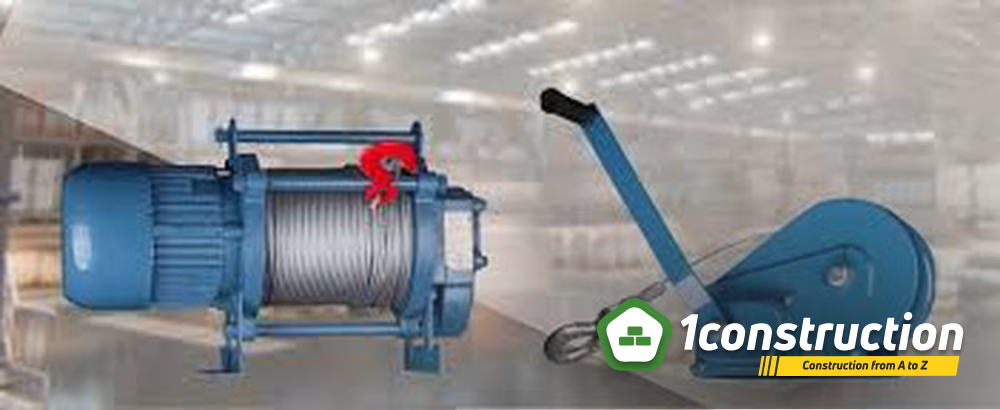
Manual or electric winch — which to choose for rental?
What types of winches are available for rent?
Is a deposit needed to rent a winch?
What's more cost-effective — buying or renting a winch?
Terms and definitions
Winch Rental

Наталья Екимова - Менеджер одела продаж

p. 1. Advantages of renting winches
If you suddenly need this kind of simple equipment and buying it doesn't make sense, renting a winch will help. This is the simplest mechanism in this family of technical devices. But even in this case, before actually renting one, you need to clarify a number of important details. First you need to determine which design you need:
- a manual model;
- an electric variant. First of all, you need to understand that this kind of equipment is needed not only at auto repair shops. Only the technical specifications will be quite different. For workshops and industrial enterprises in construction, road work, and utility work, the models and types of these devices will differ. Renting any equipment should always start with clearly defining the range of tasks you'll be solving with this lifting equipment:
- lifting heavy loads – powerful electric models;
- small volumes of light loads – manual, even classic drum-type versions. The key parameter is the maximum load capacity. This determines what the device will operate on:
- a strap;
- a wire rope;
- a rope;
- a chain.
You should also not lose sight of the available lift height. Always take this figure with a small margin just in case.
Before signing a construction winch rental agreement, be sure to consult with knowledgeable specialists. Otherwise your choice may turn out to be wrong or not optimal.
Arranging a rental for any specialized equipment has many of its own advantages and bonuses.
The main advantages are that you won't have to overpay for equipment that's only needed periodically or for a one-off job. Financial costs end up many times lower as a result, and your goals will be achieved within the timeframe you need.
p. 2. Comparing renting a winch versus buying one
Deciding what's more profitable — renting or buying — needs to be decided based on your specific situation and the plain economic sense of renting.
Electric, gasoline, diesel, and gas-powered winch models cost hundreds of times more than manual ones. But the latter types can't handle large loads. Buying even used equipment would be unreasonably expensive, and for one-off or seasonal work it's completely unprofitable and impractical. On top of that, renting any type of this specialized equipment in the needed quantity is possible.
Besides the purely financial benefit, you'll also get a quick process for arranging the full documentation package. Servicing the winches also remains the landlord's responsibility. You won't need to buy consumables and spare parts. Nor will you need to worry about the equipment sitting idle in storage, while maintenance and upkeep costs keep piling up regardless.
p. 3. Rental cost
Every landlord sets the winch rental price independently. Complex models are only issued for temporary use after a deposit has been paid. In general, the components that make up the rental cost can look like this:
- deposit;
- price per calculated unit of time (hour, day, week, month, etc. by agreement);
- winch rental term;
- % of the equipment's value (residual or market value, if it's new).
The deposit amount can vary significantly between different landlords, as can the minimum rental term. You'll also need to find out on a case-by-case basis what discounts you'll be offered when signing an agreement for temporary use of this equipment.
p. 4. Rental terms
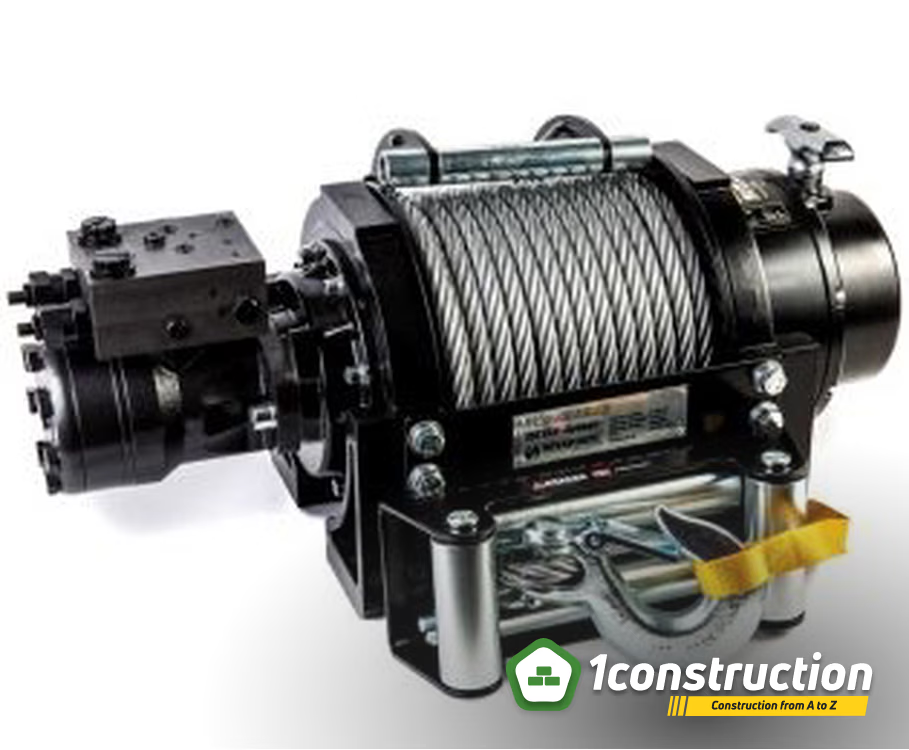
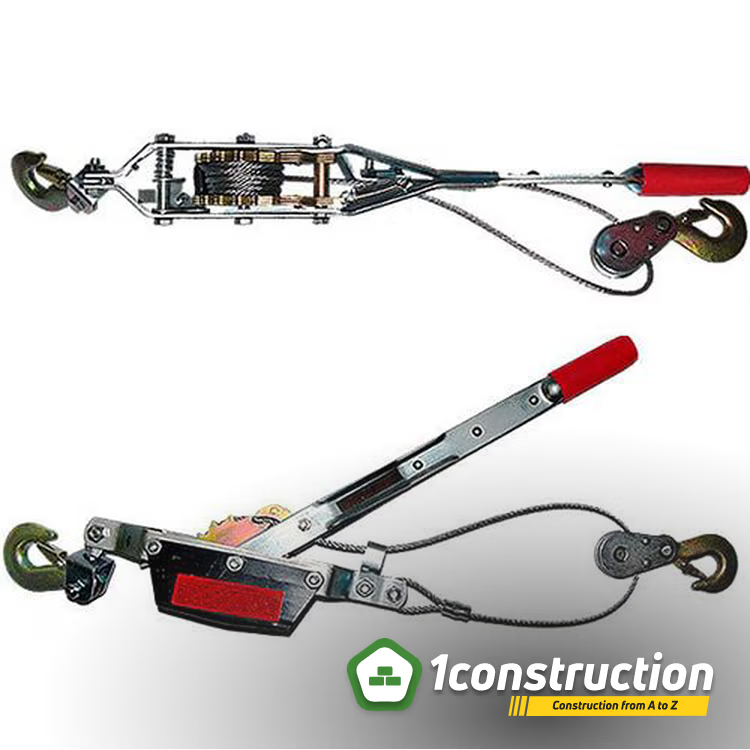
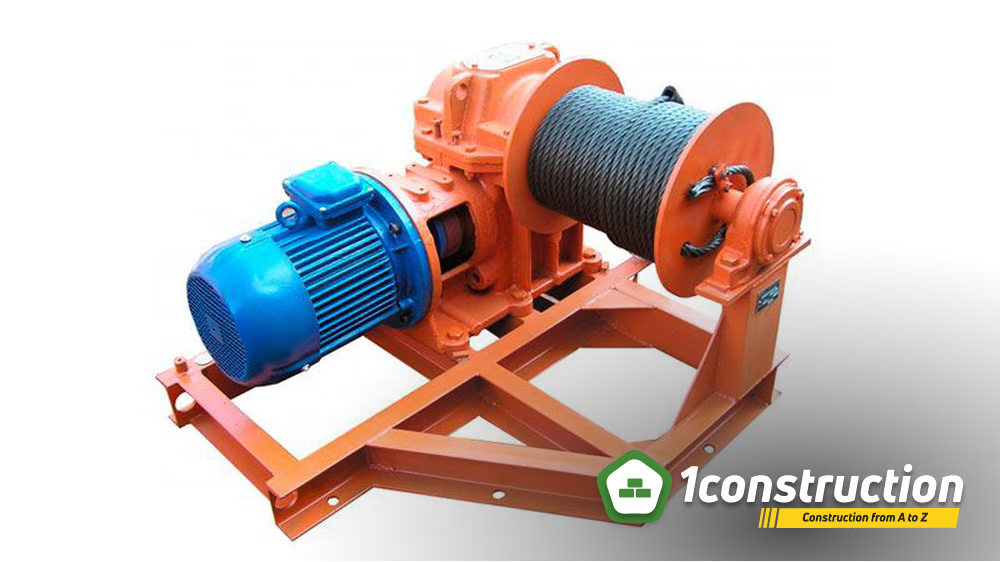
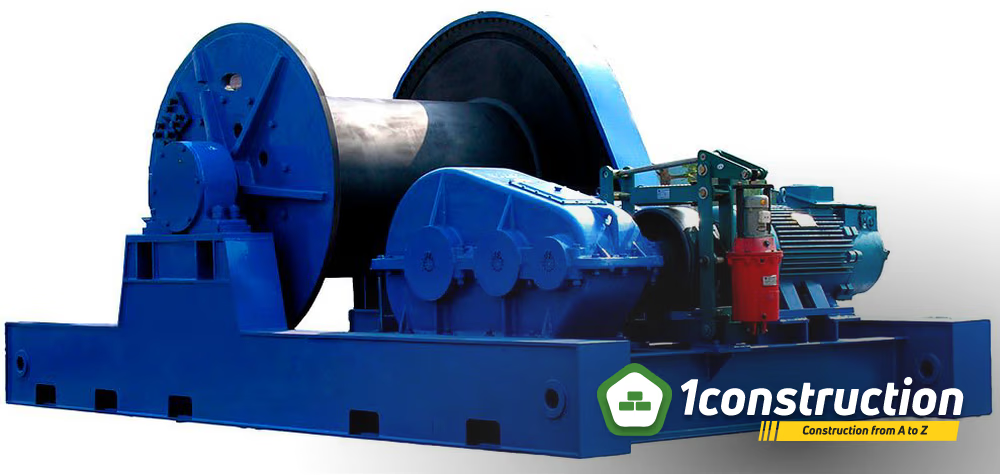
Rental terms Can also vary significantly. When ordering winches of different types and models, or in larger quantities, you may be entitled to discounts and other pleasant bonuses for cooperation, especially if it's long-term. They also differ significantly depending on the winch's purpose: For this kind of work, depending on the weight of the load and the operating conditions, different types of winches are used:
- manual;
- installation-pulling (for laying cables, etc.);
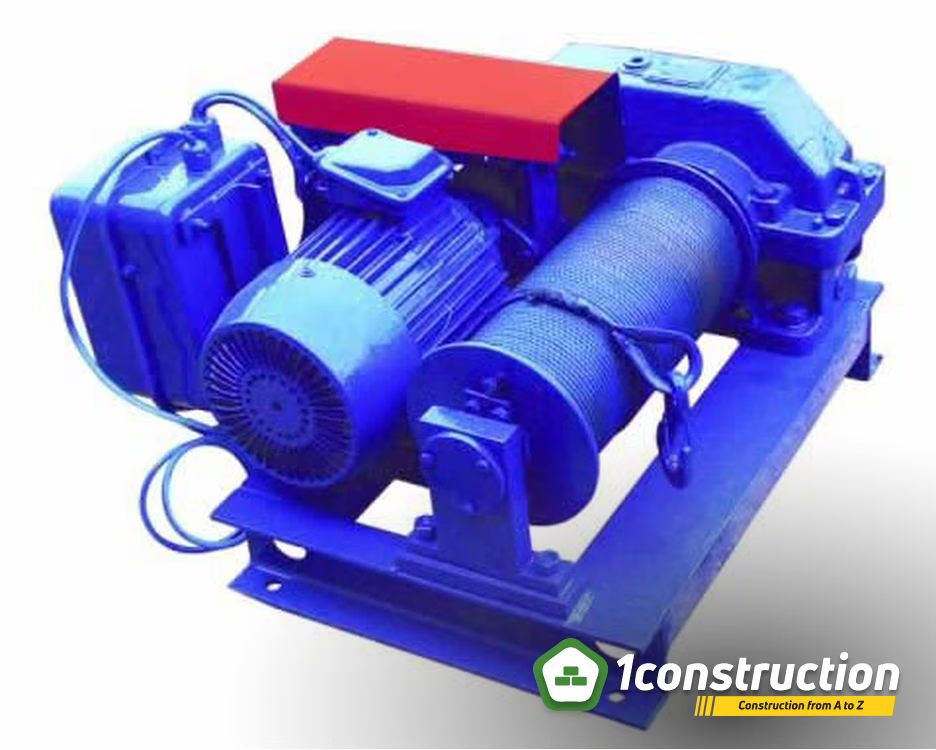
- electric;
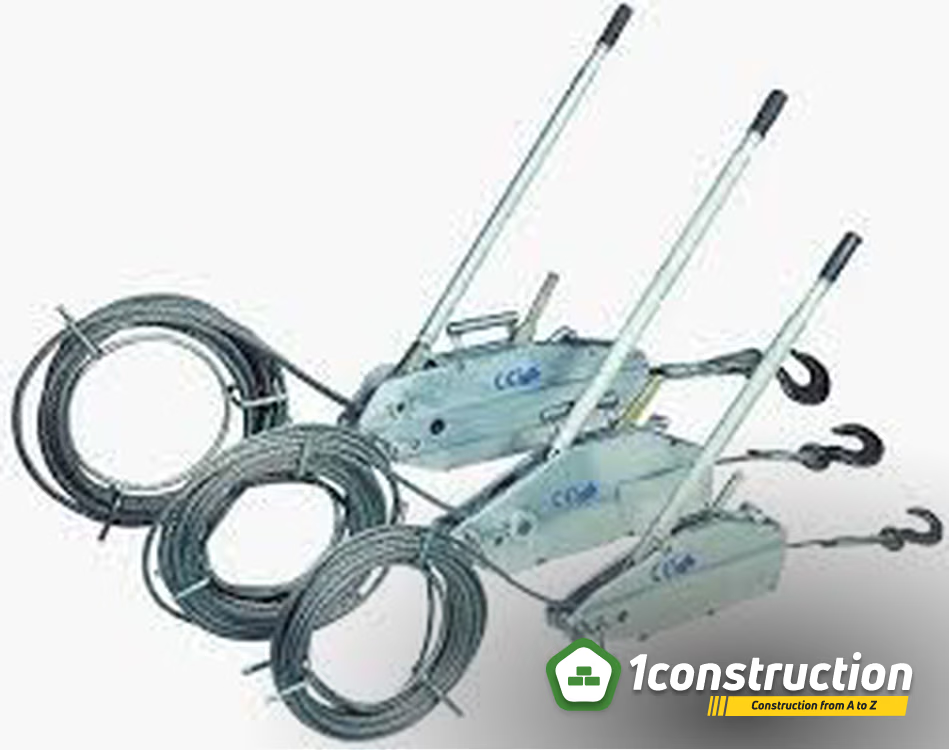
- vehicle-mounted. Depending on which specific type you need, the rental conditions and minimum terms will differ significantly. Manual models are quite inexpensive, and can be rented from some companies starting from an hour. But they can't handle large volumes of work and serious loads. For example, when choosing a manual winch, the following criteria need to be considered:
- the maximum pulling force value;
- the length of the rope or cable assembly;
- what material the manufacturer used for the housing;
- the design of the braking mechanism;
- pulling or drum-type drive;
- how many hooks are attached to the winch;
- what weight it can lift;
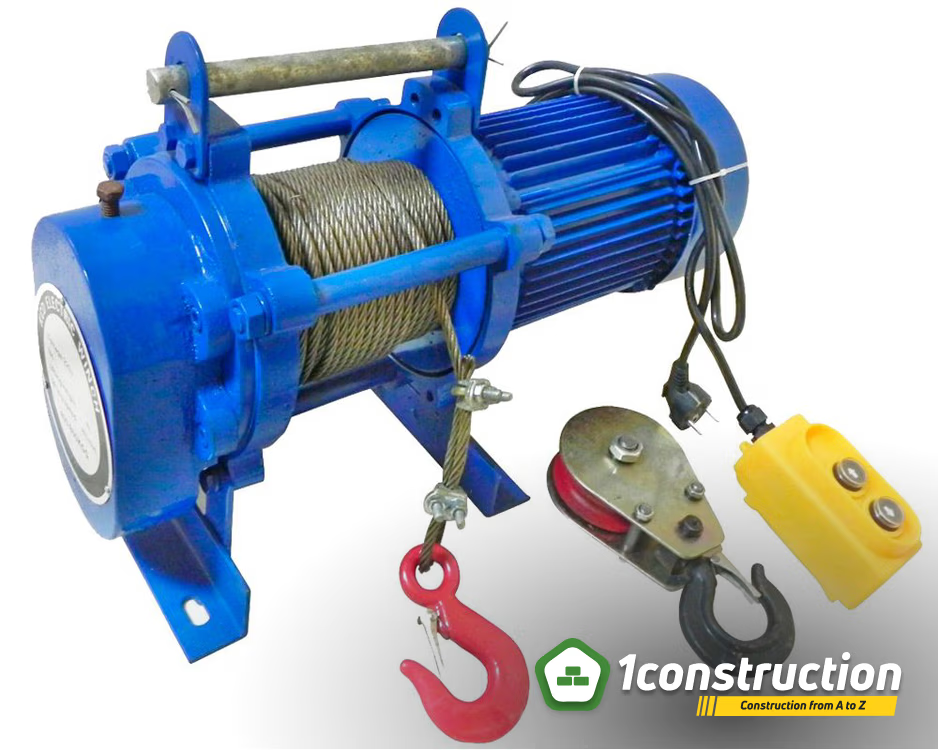
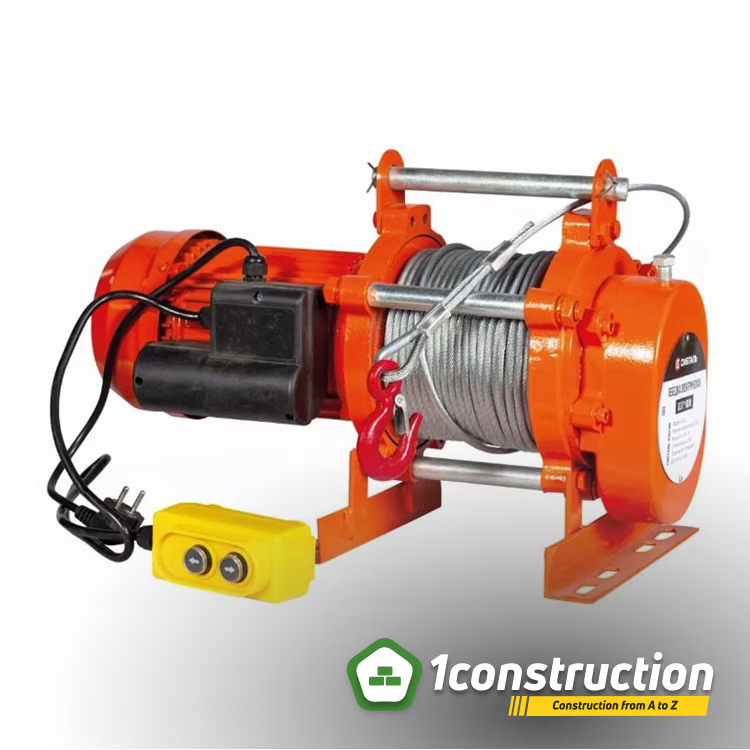
- the reliability of the brand and manufacturer. If you need a mobile electric winch for construction purposes, the top priority here is lifting capacity. The maximum figure is usually 50 kg. It requires a supply voltage of 550 volts. Choose models with remote control. It's important that it can be mounted on a separate movable carriage or beam. The rental kit for a manual or electric winch includes the following elements:
- a hoist rope (matching the rope capacity of the specific drum on the model you chose);
- a hoist hook (attached to the end of the steel rope);
- an installation block (single-pulley, with a hook);
- an operating and installation manual. If you need a hydraulic cable-laying winch, it's possible to rent it with or without hiring an operator. The most popular models have an electronic system for measuring current readings (in real time, saving the data to your memory card): date, winch serial number, pulling speed, length, and pulling force. The rental kit in this case includes:
- a hydraulic cable-laying winch;
- an electronic measuring system;
- jacks;
- pulling socks;
- swivels;
- a cable duct inspection unit;
- rollers.
For installation-pulling and electric types, you may be required to not only pay a deposit but also insure the valuable equipment.
If you don't have an experienced employee, it's better in this case to hire a specialist at the same time. This way you won't run into malfunctions, or even breakdowns, caused by your own employee's mistakes. Because in that case, you'd have to repair the equipment at your own expense and pay a fine for damaging someone else's property.
Either way, this will still be cheaper than buying new specialized equipment.
p. 5. Where to rent one?
If you need to rent a winch, you can simply contact companies that offer this kind of service. You'll have to call each one. We recommend reviewing the price list beforehand. Then contact a manager and clarify all the details and special cooperation terms, discounts, and other loyalty programs for customers.
You can also use specialized classifieds services or construction portals, where winch owners publish their current rental offers for this kind of specialized equipment themselves. If you check listings throughout the day or subscribe to updates, you'll be able to find an option that suits you.
Don't be lazy — check the reviews, and see how long the company has been operating in this market. You need a firm for which business reputation is extremely important. Only then can you be confident that they won't let you down and will provide fully functional specialized equipment.
Choose winches from proven, world-class manufacturers. Only then can you be confident that they won't let you down. Choosing little-known or even new companies carries a high risk of renting a winch of inadequate quality. In that case, you won't be able to complete the work within the timeframe specified in your service agreement. Most likely, you'll not only have to repair the failed specialized equipment but also pay the owner a fine for causing them material damage.
We also recommend settling on one landlord. Over time, you'll become a regular customer and will be able to count on additional referrals and better rental terms for winches and other equipment and specialized machinery.
p. 11. Terms and definitions
Winch — a mechanism for lifting or moving a load using a wire rope, rope, strap, or chain wound onto a drum. Installation-pulling winch — a type of winch used for laying cables and installation work requiring high pulling force. Lifting capacity — the maximum weight of a load that a winch can lift or move. Pulling force — the force with which a winch acts on a rope or cable while lifting a load. Deposit — a sum of money held by the landlord for the duration of the equipment rental as a guarantee of its safekeeping. Drum drive — a type of winch mechanism in which the rope is wound onto a rotating drum.
p. 12.
If you suddenly need this kind of simple equipment and buying it doesn't make sense, renting a winch will help. The key parameter is the maximum load capacity figure. This determines what the device will operate on: a strap; a wire rope; a rope; a chain. The main advantages are that you won't have to overpay for equipment that's only needed periodically or for a one-off job. Servicing the winches also remains the landlord's responsibility. Before signing a construction winch rental agreement, be sure to consult with knowledgeable specialists.
